Fast Food Icon Pack: A Strategic Asset for Visual Communication
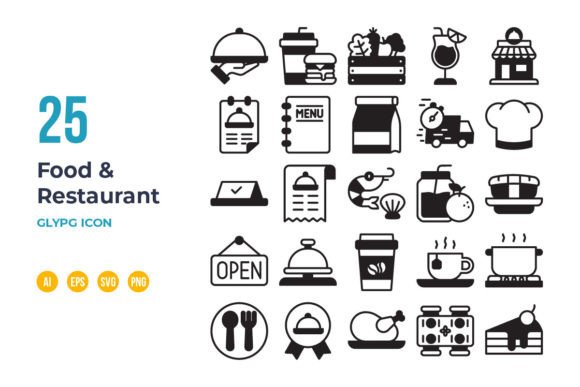
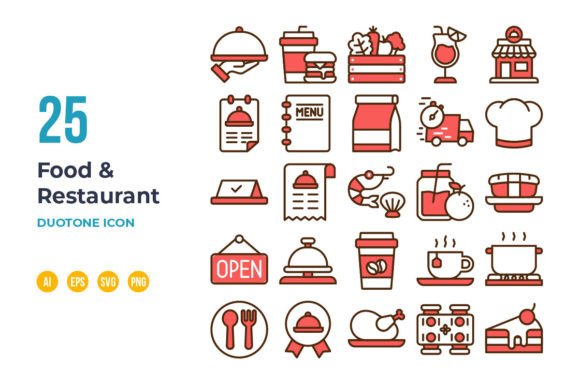
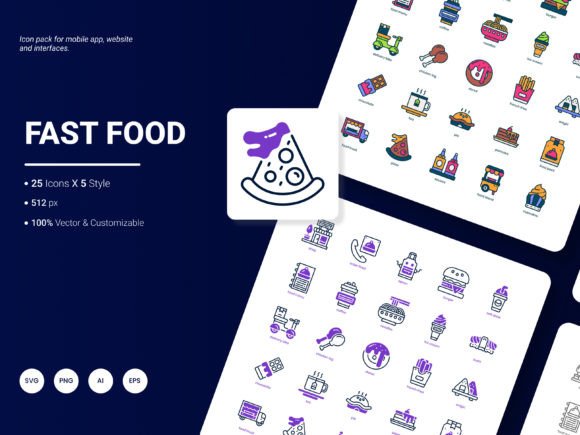
In the digital landscape, clarity and efficiency in communication are not just aesthetic choices; they are strategic decisions. The Fast Food Icon Pack represents more than a collection of 125 stylish graphics. It is a curated toolkit designed to convey popular services and ideas with visual speed and consistency. For entrepreneurs, marketers, creators, and professionals, such a resource shifts the focus from laborious asset creation to intentional visual deployment, allowing you to allocate energy toward core business goals.
Why a Cohesive Icon Set Is a Strategic Tool
Consider the operational and communicative challenges you face daily. Whether you’re designing a mobile application, compiling an analytical report, or building a website template, each visual element contributes to user understanding and brand perception. Random, disparate icons can create cognitive friction, subtly undermining clarity. A unified set, like the Fast Food Icon Pack, provides a consistent visual language. This consistency supports branding, reduces user learning time, and projects professionalism. It’s a decision that serves long-term operational efficiency.
The practical value is immediate. With icons available in AI, EPS, SVG, PNG, PDF, and JPG formats, integration across platforms and media is flexible. The editable nature of the files means the pack adapts to your specific color schemes or stylistic tweaks, ensuring the icons serve your existing design system rather than forcing you to adapt to them. This adaptability is key for maintaining brand integrity across presentations, infographics, and digital interfaces.
Intentional Use for Defined Outcomes
Using the Fast Food Icon Pack effectively requires a shift from random selection to purposeful application. Begin with a clear communication goal. Are you aiming to simplify complex data in a report? Guide a user through an app interface? Enhance the readability of an educational infographic? Your goal dictates which icons you select and how you deploy them.
For example, a small business owner creating a website menu might use specific burger or drink icons not merely as decoration, but as visual anchors that help customers navigate offerings quickly, improving the user experience and potentially reducing decision fatigue. A freelancer preparing a client presentation on market trends could use consistent icon styles across slides to create a cohesive narrative, making the information more digestible and memorable. The icon pack becomes a tool for achieving those specific outcomes.
Planning Your Integration: Considerations Before Deployment
Before incorporating any new asset into your projects, a thoughtful assessment prevents misapplication. First, audit your current visual materials. Does the style of the Fast Food Icon Pack complement your existing brand identity? The fresh and trendy design is versatile, but it must align with your overall aesthetic positioning. Second, consider context. An icon in an analytical report carries a different weight than the same icon in a playful social media graphic. Ensure the icon’s tone matches the medium’s expectations.
Also, think about scalability. With 125 icons covering popular content, you have breadth, but your specific niche might require future additions. The offer to write with suggestions for the next update is an opportunity for proactive planning. If your long-term strategy involves expanding into specific culinary categories or service concepts, communicating those needs can shape future resources, making the pack a growing asset rather than a static one.
The Risks of Unconsidered Application
Like any tool, the Fast Food Icon Pack can be misused. The primary risk is deploying icons without a clear communicative purpose, leading to visual clutter. Icons should simplify, not decorate. Overuse or inconsistent application across a project can dilute their impact and confuse the audience. Another risk is relying solely on the pack without considering unique branding needs. While editable, the core styles are predefined; ensure they can be adapted sufficiently to serve as a genuine extension of your visual voice, not a generic overlay.
The strategic approach mitigates these risks. Establish a simple guideline: each icon must serve a direct function—labeling, categorizing, directing, or highlighting. This intentional framework turns a collection of graphics into a disciplined system for communication.
Practical Applications Across Professional Domains
The utility of the Fast Food Icon Pack spans the roles of our diverse audience. For educators and publishers, icons can break down complex processes into visual steps in infographics, aiding comprehension. Marketers can use the icons in campaign materials to create instant visual recognition of food-related services, enhancing ad recall. Developers and designers benefit from the multiple file formats, particularly SVG for scalable web integration, which supports responsive design principles crucial for modern website templates.
Consider the operational efficiency for a busy entrepreneur. Creating custom icons for a new menu or service listing is time-intensive. With a ready-made, editable set, you can prototype a website or app interface rapidly, testing concepts without delay. This speed allows you to iterate on business ideas faster, focusing your decision-making on market feedback rather than asset production delays.
Building Long-Term Value into Your Projects
A strategic asset provides value beyond the immediate project. By integrating a consistent icon set like the Fast Food Icon Pack into your standard operating procedures for design, you build a reusable visual library. This library becomes part of your production ecosystem, saving time on future projects and ensuring brand continuity. Over time, this consistency compounds, making your communications instantly recognizable and professionally coherent.
The pack’s five styles offer internal variety while maintaining familial traits, allowing you to choose a style that best fits a particular project’s mood without abandoning your core visual toolkit. This flexibility supports long-term creative adaptability without requiring a complete resource overhaul each time a new tone is needed.
Moving from Acquisition to Strategic Implementation
Owning the Fast Food Icon Pack is the first step. Implementing it strategically is the ongoing process. Start by categorizing the icons based on your common use cases—navigation, categorization, highlighting, data visualization. Create a simple internal guide for your team on when and how to use them. For solo creators, this might be a personal checklist applied before inserting an icon into a design.
Remember, the ultimate goal is better results: clearer communication, faster user comprehension, stronger brand identity, and more efficient workflow. The icons are a means to those ends. Regularly review their use. Are they achieving the intended clarity? Would a different icon from the pack serve a particular function better? This reflective practice ensures the asset remains a living, effective part of your strategy, not just a downloaded file. As your projects evolve, so should your use of this versatile tool. Your suggestions for future updates can further align it with your long-term vision, making it a truly collaborative resource for professional growth.